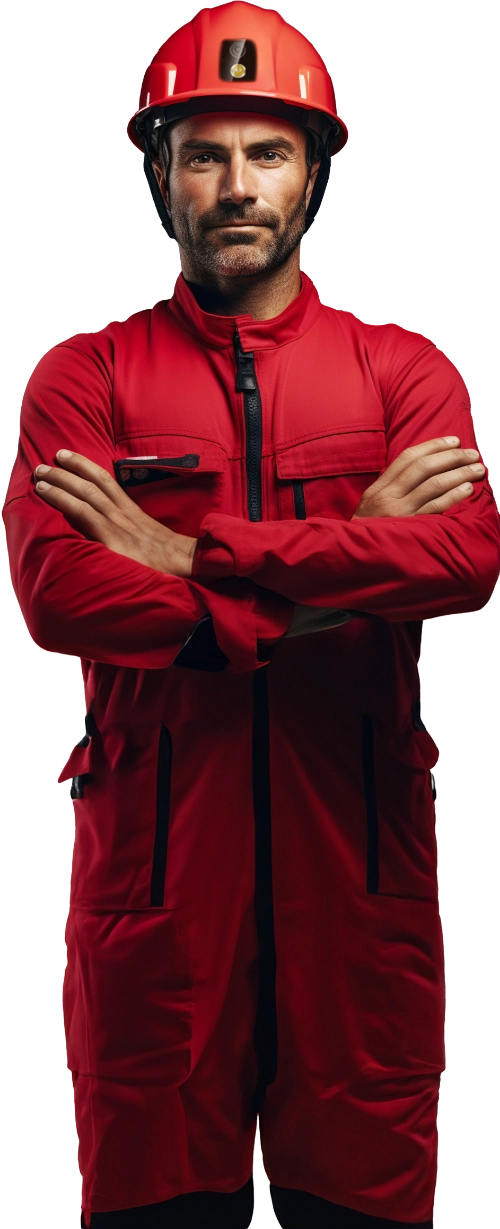
You know that feeling when you’re alone on a job site, miles from the nearest person? It’s a mix of freedom and, honestly, a little unease. For millions of remote workers—from oil rig technicians to lone electricians in attics—safety isn’t just a policy. It’s a daily gamble. But here’s the thing: wearable tech is quietly flipping that script. It’s not sci-fi anymore. It’s a smartwatch, a patch, or even a hard hat that can call for help before you can.
Let’s talk about why this matters, how it works, and what you should actually look for. Because, sure, the tech is cool. But saving a life? That’s the real headline.
The Silent Crisis: Why Lone Workers Need More Than a Phone
Remote workers face a unique set of dangers. Slips, falls, heatstroke, sudden medical events—and no one around to help. A 2023 study from the International Safety Equipment Association found that nearly 40% of workplace fatalities in isolated environments involved a delay in emergency response. That delay? Often just minutes. But minutes matter when you’re bleeding out or choking on fumes.
Traditional safety measures—like check-in calls or GPS trackers—are better than nothing. But they rely on the worker remembering to press a button. And when you’re dizzy, panicked, or unconscious? That button might as well be on Mars.
This is where wearable tech steps in. It doesn’t wait for you to ask for help. It senses trouble. It alerts someone. It might even guide a drone to your exact location. No thinking required.
What Exactly Are We Talking About?
Wearable safety tech isn’t just one gadget. It’s a whole ecosystem. Think of it like a Swiss Army knife for survival—but digital. Here’s a quick breakdown of the main players:
- Smartwatches and wristbands with fall detection, heart rate monitoring, and SOS alerts.
- Smart hard hats that track impact force, temperature, and even air quality.
- Wearable patches or vests that monitor vitals like blood oxygen or stress levels.
- Exoskeletons (yes, really) that reduce strain and prevent musculoskeletal injuries.
- Location beacons that work underground or inside concrete buildings.
Each piece has a job. But together? They create a safety net that’s always on.
How It Actually Works: From Sensor to Savior
Alright, let’s get a little technical—but not too much. Imagine a field worker in a remote forest, clearing brush for a pipeline. She’s wearing a smartwatch and a sensor-embedded vest. Suddenly, she trips over a root. The watch detects the sudden deceleration and angle change. It sends a signal to a cloud-based dashboard. Within seconds, a supervisor gets an alert: “Potential fall detected — no movement for 30 seconds.”
If the worker doesn’t respond to the watch’s vibration (like tapping “I’m okay”), the system escalates. It sends her exact GPS coordinates to emergency services. It might even trigger a drone to fly overhead and stream video. All without her lifting a finger.
That’s the magic. It’s proactive, not reactive. And it’s already saving lives in industries like mining, construction, and energy.
But Wait—What About Privacy?
I hear you. “Big Brother is watching” is a real concern. And yeah, some workers worry about being tracked 24/7. But here’s the deal: most modern systems let you set boundaries. Data is anonymized. Alerts are only triggered by emergencies. And honestly, a little surveillance beats a lot of risk. The key is transparency—companies should explain what’s monitored and why. When workers understand it’s for their safety, not their performance reviews, adoption goes way up.
Real-World Examples: Not Just Hype
Let’s make this concrete. A few years back, a lone technician in a Texas oil field collapsed from heat exhaustion. His smartwatch detected a spike in heart rate and a sudden drop in movement. It alerted his team 12 miles away. They dispatched a helicopter. He was treated for severe dehydration within 20 minutes. His words later? “That watch saved my life.”
Or take the case of a construction worker in Chicago who fell from scaffolding. His smart hard hat registered the impact force and sent an alert with his exact floor level. Rescue crews found him in under 5 minutes. Without that hat, he might have bled out waiting for someone to notice.
These aren’t one-offs. Companies like Guardian, Wearable Technologies, and Hexoskin are reporting thousands of such incidents. The data is clear: wearables reduce response times by an average of 60%.
What to Look For in a Safety Wearable
If you’re a safety manager—or a remote worker yourself—you’re probably wondering, “What do I actually buy?” Great question. Here’s a quick checklist. But remember: no single device fits every job.
| Feature | Why It Matters | Example Use Case |
|---|---|---|
| Fall detection | Auto-alerts for slips, trips, collapses | Roofing, scaffolding, forestry |
| Vital sign monitoring | Tracks heart rate, temp, oxygen levels | Heat stress, confined spaces |
| GPS + offline tracking | Works without cell signal | Underground mines, remote trails |
| Two-way communication | Voice or text with base | Lone workers in loud environments |
| Impact sensing | Detects hard blows to head or body | Construction, heavy machinery |
| Battery life (12+ hrs) | Lasts a full shift | Any long-duration job |
Also, think about comfort. A bulky wristband that gets caught on everything? No thanks. Look for lightweight, water-resistant designs. And check for integration with existing safety software—some systems sync directly with apps like SafetyCulture or iAuditor.
The Future: Where This Is Headed
Honestly, we’re just scratching the surface. AI is starting to predict accidents before they happen. Imagine a vest that learns your movement patterns and warns you when you’re about to overexert. Or a smartwatch that detects early signs of a heart attack and alerts a nearby coworker. That’s already in beta.
Another trend? Integration with augmented reality (AR) glasses. A remote worker could see safety warnings overlaid on their field of view—like “Gas leak detected 50 feet ahead.” Or a drone pilot could guide them through a dangerous area in real time.
And let’s not forget cost. Five years ago, a decent safety wearable cost $500+. Now? You can get a solid fall-detection band for under $100. As the tech scales, it’ll become as standard as a hard hat or steel-toed boots.
But It’s Not Just About Gadgets
Here’s the thing—wearable tech is only as good as the culture around it. If workers feel like they’re being spied on, they’ll ditch the device. If managers ignore alerts, the tech is useless. The real win comes when companies pair hardware with training, trust, and a genuine commitment to safety. No amount of sensors can replace a boss who says, “I care if you come home tonight.”
But when you combine that human element with smart tech? You get something powerful. A safety net that’s always there, even when no one else is.
Wrapping This Up: The Bottom Line
Remote work isn’t going away. In fact, it’s growing. And with that growth comes risk. Wearable tech isn’t a magic bullet—it’s a tool. A really, really smart tool that can turn a potential tragedy into a near miss. It’s the difference between “I wish someone had known” and “Help is on the way.”
So whether you’re a solo contractor, a safety officer, or a CEO, ask yourself: What’s the cost of waiting? A few hundred bucks for a wearable? Or the price of a life? The choice, honestly, isn’t that hard.
Stay safe out there. And hey—maybe let the tech do some of the worrying for you.